Heading 2
.
What is an AHP?
Allied Health Professionals (AHPs) at NHS Western Isles include Dietitians, Occupational Therapists, Physiotherapists, Podiatrists, Radiographers, and Speech and Language Therapists. They work across the hospital and community settings.
For information on working as an AHP student at NHS Western Isles view our AHP Student Info & Orientation Pack
What is Speech and Language Therapy?
.
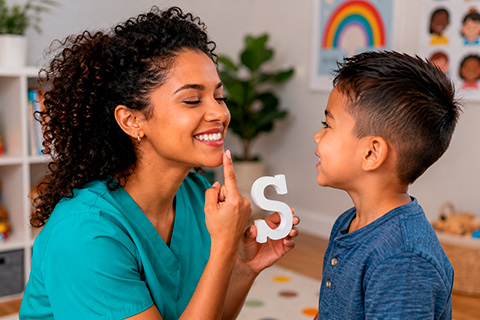
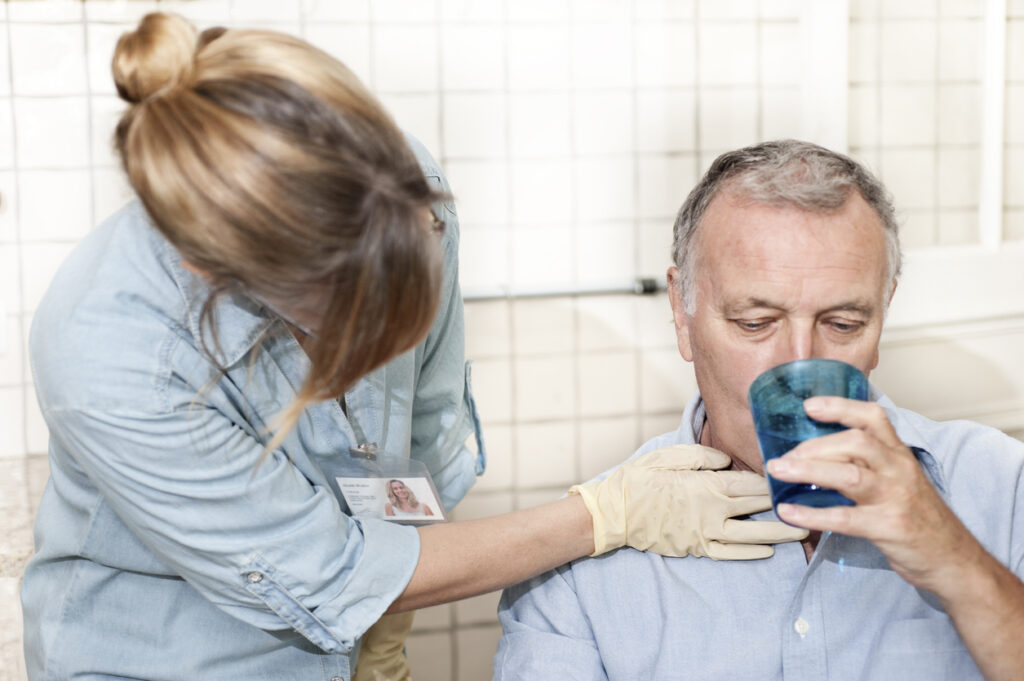
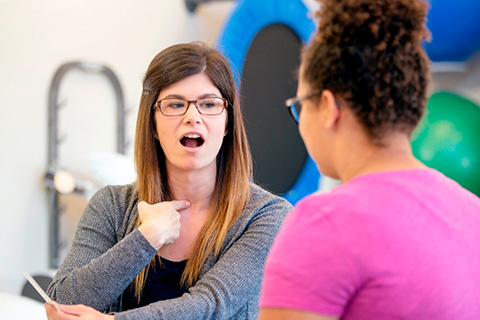
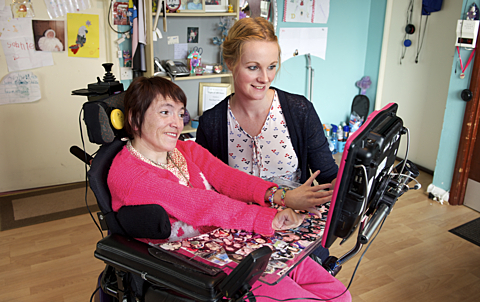
Speech and language therapy provides assessment, diagnosis, treatment and support to children and adults who have, or are at risk of having, difficulties with:
- speech, language and communication
- voice, throat and upper airway function
- eating, drinking and swallowing (dysphagia).
Speech and Language Therapists are autonomous practitioners registered with the Health and Care Professions Council (HCPC).
- 1 in 5 people in the UK will experience a communication difficulty at some point in their lives.
- More than 10% of children have speech, language and communication needs which are the most common type of additional support needs in 4-11 year olds.
- Vocabulary difficulties at age 5 are significantly associated with poor literacy, mental health and employment outcomes later in life.
- Up to 90% of people with a learning disability have a communication need.
- 1 in 3 stroke survivors will develop a communication difficulty.
- Difficulty swallowing (dysphagia) is common and affects around 1 in 17 people in their lifetime, from birth to old age.
- Speech refers to saying sounds accurately and in the right places in words. It also relates to speaking fluently, without hesitating, prolonging or repeating words or sounds. Speaking involves having a clear voice and using pitch, volume and intonation to add meaning.
- Language refers to understanding and making sense of what other people say. It also includes how we find and use words to build up sentences during conversations. This involves putting words in the right order so that the information makes sense. Language uses spoken words as well as words that are written, typed, presented as visual symbols and signed using hand gestures.
- Communication is a two-way process of understanding others and expressing yourself. It refers to how we interact with others, for example being able to talk to people and take turns as well as changing our language to suit the situation. It includes non-verbal communication, for example eye contact, gestures and facial expressions. In addition, communication relates to being able to consider another person’s perspective, intentions and the wider context.
If English is not your first language, we can still provide assessment and treatment of your communication and/or eating and drinking difficulties.
If you need an interpreter for your appointments, please let us know and this will be arranged. This will help the therapist understand your problems, offer advice and therapy programmes in your preferred language.
Sometimes, we may want to assess your speech and language in your first language as well as English. We will work with you, your family and professional interpreters to do this.
We also support people who have Gaelic as either a first or additional language, including for children in Gaelic Medium Education.
You can find more information about developing children’s language in a bilingual home here.
- NEXT PAGE: Speech and Language Therapy - Who we help and where we work
- LAST REVIEWED ON: July 14, 2026